What Are Hunter Eyes? Anatomy, Genetics and Reality
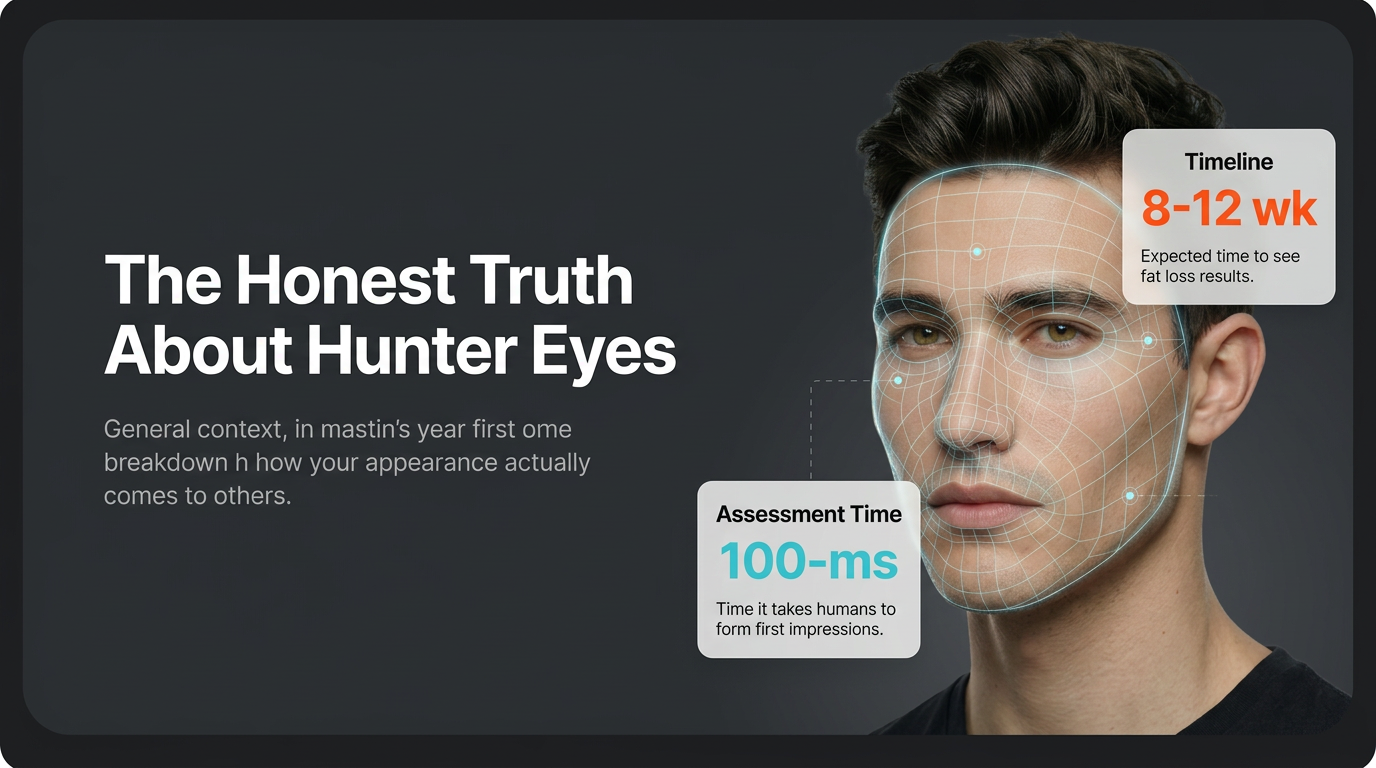
Hunter eyes are a specific facial aesthetic characterized by deeply set eyes, a positive canthal tilt, and minimal upper eyelid exposure. This combination creates a compact, horizontally elongated eye shape that sits tightly beneath a prominent brow ridge, projecting an intense and focused appearance.
This guide breaks down the anatomy, genetics, and realistic improvement options for the eye shape commonly called hunter eyes. It is for men who want to understand their facial structure and separate evidence based advice from dangerous internet folklore.
The eye area is heavily scrutinized in the looksmaxxing community, leading to massive misinformation. We will look at the actual biology of the orbital area, what you can change safely, and what you must accept as genetic reality.
The Anatomy Behind Hunter Eyes
The term refers to a specific combination of skeletal and soft tissue features. The primary driver is a prominent supraorbital ridge, located just above the eye sockets. A strong brow ridge creates a shadowing effect, giving a heavy, deep set appearance. This bone structure develops during puberty and dictates orbital depth.
The second component is minimal upper eyelid exposure. This means the skin between the eyebrow and eyelashes is taut, leaving little eyelid visible. This is influenced by orbital fat distribution and eye socket depth. A deeper socket naturally pulls the skin tighter across the eyelid.
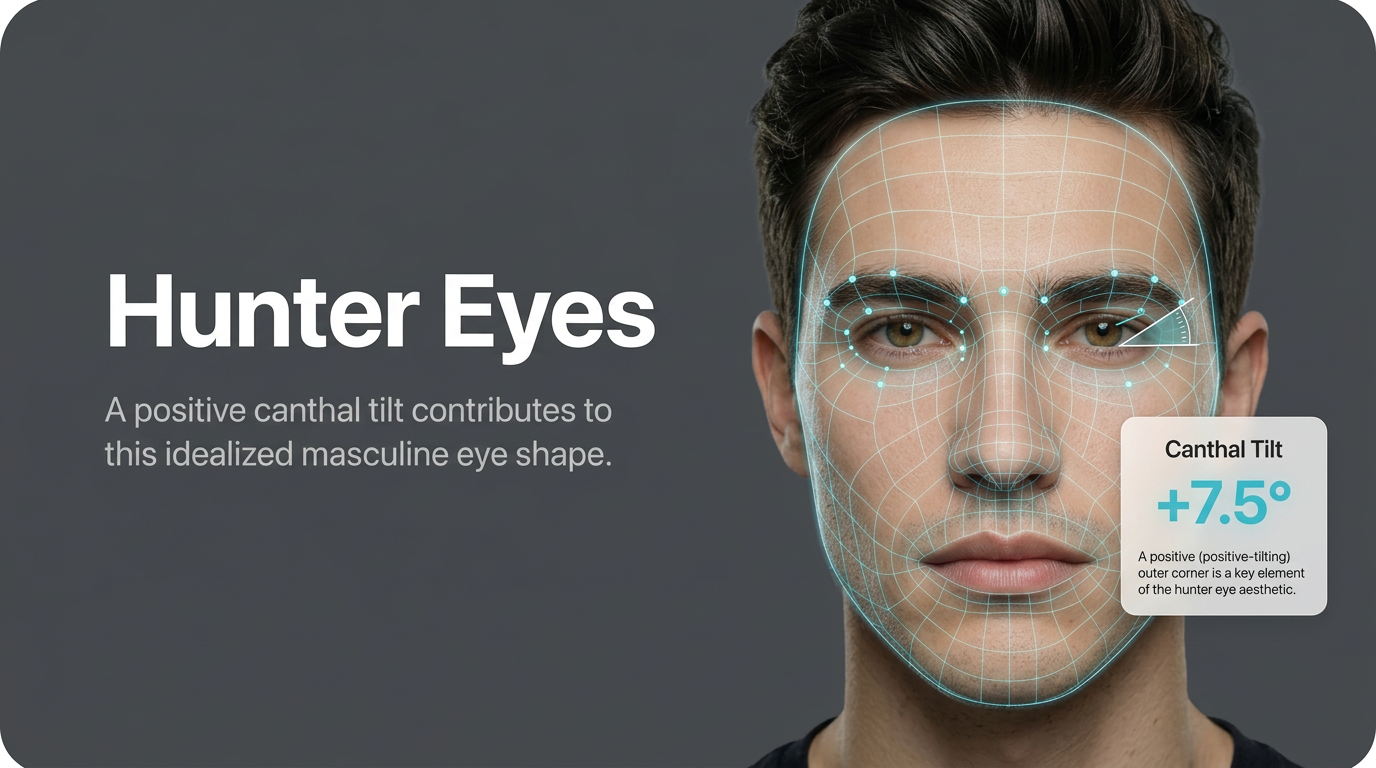
The shape relies on a specific geometric angle. The lateral canthus, or outer corner, sits slightly higher than the medial canthus. Understanding what is canthal tilt explains the geometry involved. This upward angle contributes to the horizontally elongated look.
Interpupillary distance also plays a role. A narrower distance combined with a heavy brow ridge intensifies the focused look. Research on the impact of facial components on the attractiveness of face: a perception-based study confirms that eye shape and symmetry measurably affect how facial aesthetics are evaluated.
Why Eye Shape Influences First Impressions
Human beings assess faces rapidly, and the eye area is the primary focal point. A deep set, horizontally elongated eye shape often signals high testosterone exposure during puberty. This hormone influences the forward growth of the brow ridge, creating a more robust facial structure.
This assessment happens faster than conscious thought. Studies on first impressions: making up your mind after a 100-ms exposure to a face demonstrate humans form complex judgments about competence and dominance almost instantly based on facial structure. A heavier brow is frequently interpreted as a marker of intensity.
These perceptions are rooted in biology. Literature covering facial attractiveness: evolutionary based research suggests features signaling sexual dimorphism, like a strong brow ridge, are historically associated with genetic fitness. The contrast between a heavy brow and narrow eye opening draws immediate attention.
However, eye shape is just one variable. Understanding the broader principles of Face Maxxing is essential because a strong eye area does not compensate for poor grooming or high body fat. Facial harmony is always more important than any single isolated feature.
LooxMaxxing
Want to know where you actually stand?
Upload three photos, answer the assessment and get an AI facial rating with a personalized improvement program.
Take the free assessmentWhat You Can Actually Change About Your Eyes
You cannot change fundamental bone structure without invasive surgery. The distance between your pupils and the physical depth of your eye sockets are locked in by genetics. Accepting this biological reality is the first step in grounded self improvement. Wasting time on methods promising to alter adult bone structure is counterproductive.
What you can change is the soft tissue. High body fat makes eyes look puffy and rounder. By reducing overall body fat percentage, you decrease facial bloat. This reveals the underlying bone structure, making eyes appear deeper set and more angular simply by removing the padding around them.
Achieving a leaner body composition is the most effective non-surgical method for improving facial definition. A consistent caloric deficit will eventually strip away the subcutaneous fat that obscures your natural orbital bone structure. This process requires strict adherence to a structured nutrition and training program over several months.
Skincare plays a vital role. Chronic puffiness drags down the appearance of the entire orbital area. Using a targeted routine with caffeine can tighten under eye skin. Managing inflammation prevents premature sagging. If unsure where your routine fails, take our free face assessment to get a personalized plan.
Grooming eyebrows is the final non-surgical lever. Thicker, straighter eyebrows sitting closer to the eyes simulate the shadowing effect of a prominent brow ridge. Using brow gel to brush hairs downward slightly creates a more compact, angular look around the orbital area.
The Reality of Surgical Interventions
For men looking to alter their eye shape permanently, medical options are invasive and carry significant risks. Blepharoplasty removes excess skin or fat from eyelids to reduce upper eyelid exposure. This alters soft tissue but does not change the underlying bone.
Canthoplasty tightens the lower eyelid or alters the lateral canthal tendon to create a more positive tilt. Any surgical alteration of the eyelids requires consultation with a board certified oculoplastic surgeon. This is strictly medical territory, and attempting cheap overseas surgery often leads to disfigurement.
Physical complications include chronic dry eye, asymmetry, unnatural scarring, or an overly tight appearance preventing eyes from closing fully. Altering delicate structures carries a high probability of requiring revision surgery, which is significantly more complex and expensive than the initial procedure.
Recovery from these surgical procedures is also a significant factor to consider. The delicate tissues around the eyes are prone to prolonged swelling and bruising, meaning the final aesthetic results may not be visible for several months. During this recovery period, patients often experience heightened anxiety and dissatisfaction with their appearance, which can trigger severe psychological distress.
Psychological risks are equally severe. Research on appearance dissatisfaction and body dysmorphic disorder in the dermatology patient highlights the danger of pursuing cosmetic procedures for minor flaws. Surgery frequently exacerbates underlying body image issues rather than resolving them.
Separating Evidence From Community Folklore
The looksmaxxing community is filled with severe misinformation regarding eye shape. Because the eye area is highly valued, men often fall for dangerous protocols promising drastic changes. It is vital to look at the evidence objectively and understand what is actually biologically possible.
- Strong evidence: Reducing overall body fat percentage decreases facial puffiness, which can marginally improve the visibility of your natural bone structure and reduce the rounded appearance of the soft tissue.
- Weak or anecdotal evidence: Facial massage and ice rolling provide temporary relief from morning water retention, but they do not permanently alter the soft tissue or eye shape.
- Community folklore: Bone smashing is extremely dangerous. Maxillofacial surgical consensus is that this causes blunt force trauma and microfractures leading to disfigurement, not aesthetic bone remodeling. Furthermore, practices like Mewing (orthotropics) will not change the shape of your orbital bones.
Timelines, Costs, and Failure Modes
Most generic advice ignores the practical realities of trying to change your eye area. If you choose the fat loss route, expect a realistic timeline of 8 to 12 weeks of a sustained caloric deficit before seeing noticeable changes in facial leanness. Facial fat is often the last to go.
If considering surgical options, the financial cost is substantial. Procedures like bilateral blepharoplasty are expensive. Revision surgeries for botched procedures cost significantly more and carry even higher risks of permanent damage to the delicate orbital tissues.
In practice, a common pattern we see is men fixating on a minor millimeter difference in their canthal tilt while ignoring overall facial harmony. A botched eye surgery actively destroys the natural proportions of your face, drawing negative attention and creating an uncanny appearance.
Another failure mode is ignoring skin quality. Men spend thousands on surgical consultations while neglecting basic sun protection. General principles of Physical attractiveness emphasize symmetry and harmony over isolated features. Chasing a hyper-specific eye shape at the expense of natural balance is a guaranteed failure mode.
Fat Loss Timeline
8-12 wk
Time required in a caloric deficit to see facial leaning.
Key Takeaways and Your Next Steps
Understanding your genetics allows you to focus energy on variables you can actually control. Obsessing over your orbital bones is a waste of time, but optimizing your body composition and grooming is highly effective. Before considering drastic measures, take our free face assessment to get a personalized plan.
What to do next: Start by evaluating your current body composition and grooming habits. Implement a sustainable caloric deficit if necessary, upgrade your skincare routine to target orbital puffiness, and focus on optimizing your overall facial harmony rather than obsessing over unchangeable bone structure.
- Hunter eyes are defined by a strong brow ridge, positive canthal tilt, and minimal upper eyelid exposure.
- The underlying skeletal structure is genetic and dictated by your orbital bones.
- Reducing overall body fat is the most effective non-surgical way to reduce facial puffiness.
- Surgical interventions like canthoplasty are high risk and strictly require a board certified medical professional.
- Dangerous folklore practices like bone smashing cause permanent injury, not aesthetic improvement.
FAQ
Can mewing give you hunter eyes?
No. There is no clinical evidence that resting oral posture can alter the shape of the orbital bones or the soft tissue around the eyes in adults.
Is it possible to change your canthal tilt naturally?
You cannot change the structural angle of your lateral canthus naturally. The positioning is dictated by the ligaments attached to your orbital bone, which do not respond to non-surgical interventions.
Does losing weight make your eyes look different?
Yes. Reducing your overall body fat percentage decreases facial puffiness and subcutaneous fat around the eyes. This can make your eyes appear more defined and deep set by revealing the underlying bone structure.
What is the difference between prey eyes and hunter eyes?
These are internet slang terms used in the community. Hunter eyes refer to deep set, horizontally elongated eyes with a positive tilt, while prey eyes refer to rounder, more protruding eyes with a negative tilt and high upper eyelid exposure.
Are surgical eye shape changes safe?
Procedures like canthoplasty carry significant risks, including chronic dry eye, unnatural scarring, and asymmetry. Any surgical alteration requires strict consultation with a board certified oculoplastic surgeon to understand these risks.
LooxMaxxing
Stop guessing. Get your real rating.
Upload three photos, answer the assessment and get an AI facial rating with a personalized improvement program.
Take the free assessmentAbout the author
LooxMaxxing EditorialEditorial
Articles from LooxMaxxing about appearance, grooming, skincare, hair, training and lifestyle.
Keep reading
AI Rate My Face: The Honest Truth About Algorithmic Scores
Curious if an ai rate my face tool is accurate? Discover how facial algorithms work, where they fail, and why your score does not define your looks.
Is Mewing Real? What the Clinical Research Actually Says
Wondering is mewing real? We separate clinical facts from internet myths, explain the real risks, and show what actually works for jawline aesthetics.
What Is Canthal Tilt? The Honest Truth About Eye Shape
Discover what canthal tilt is, how it impacts your facial aesthetics, and whether you can actually change it. Get the clinical facts on eye shape.
Medical disclaimer: this article is general information about appearance, grooming and lifestyle habits. It is not medical advice, diagnosis or treatment. Talk to a licensed doctor, dermatologist or dentist before starting any medication, procedure or treatment, and never attempt surgical or orthodontic changes on your own.